Focus: Handwritten family horoscopes
Useful for: Reading, transcription and preservation
An inherited jathakam may arrive as a folded sheet, a stitched notebook or an older manuscript. Before asking what its chart says, establish what the document actually records. A beautiful digital copy is useful only if it preserves the distinction between a legible entry, a reasonable interpretation and an unresolved doubt.
Start with the document, not the prediction
Photograph the cover and every page in order, keeping margins and annotations visible. Record whose document the family believes it is, who supplied that information and whether a writer’s name or date appears. Keep the original image beside any typed version.
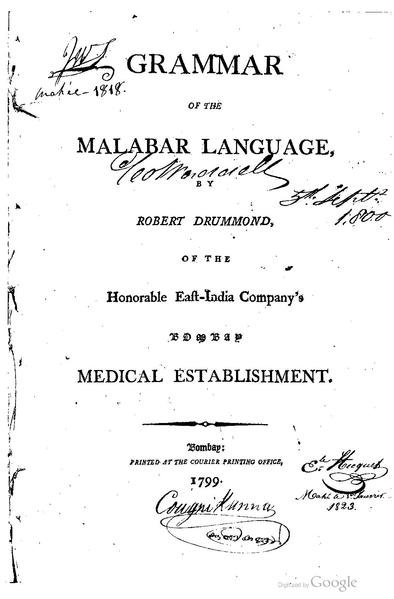
A title, material and collection history are separate pieces of evidence; one does not automatically establish the date of another.
Keep transcription and explanation separate
First copy what can be read. Then explain it in a separate note. If a name, number or abbreviation is unclear, mark that uncertainty instead of silently choosing the reading that makes the chart convenient.
Suppose one handwritten digit could be either three or eight. The useful note is “digit uncertain; compare the writer’s other numerals.” It is not a confidently typed number followed by calculations that make the guess look established.
Check what each date and time refers to
Identify the calendar, time notation and place recorded on the page. Do not assume that every number is a modern clock time or that the date of copying is the birth date. Older units or reference points need to be interpreted before any conversion is attempted.
Likewise, a chart should be read from its labels and surrounding explanation. Do not rename it merely because its shape resembles a familiar chart. Ask a knowledgeable reader to resolve unclear terminology while retaining the original wording in the transcription.
Preserve before attempting repairs
Fragile leaves and paper need care suited to their material. Avoid improvising with oil, adhesive tape, lamination or forceful flattening.
For a family copy, a simple record is already valuable: ordered photographs, an exact transcription, a list of uncertain passages and the name of anyone who helped interpret them. This makes later checking possible. It also preserves something a rewritten horoscope can easily lose: the original document’s language, handwriting and family history.