Place: Ambalappuzha, Alappuzha
Main deity: Sri Krishna as Parthasarathy
Known for: Palpayasam and its association with Kunchan Nambiar
Many people first hear of Ambalappuzha through its palpayasam. Yet a visit can reveal much more than a famous offering: the character of the deity, the role of the temple in local memory, and an association with a poet who made people think through humour.
Krishna as Parthasarathy
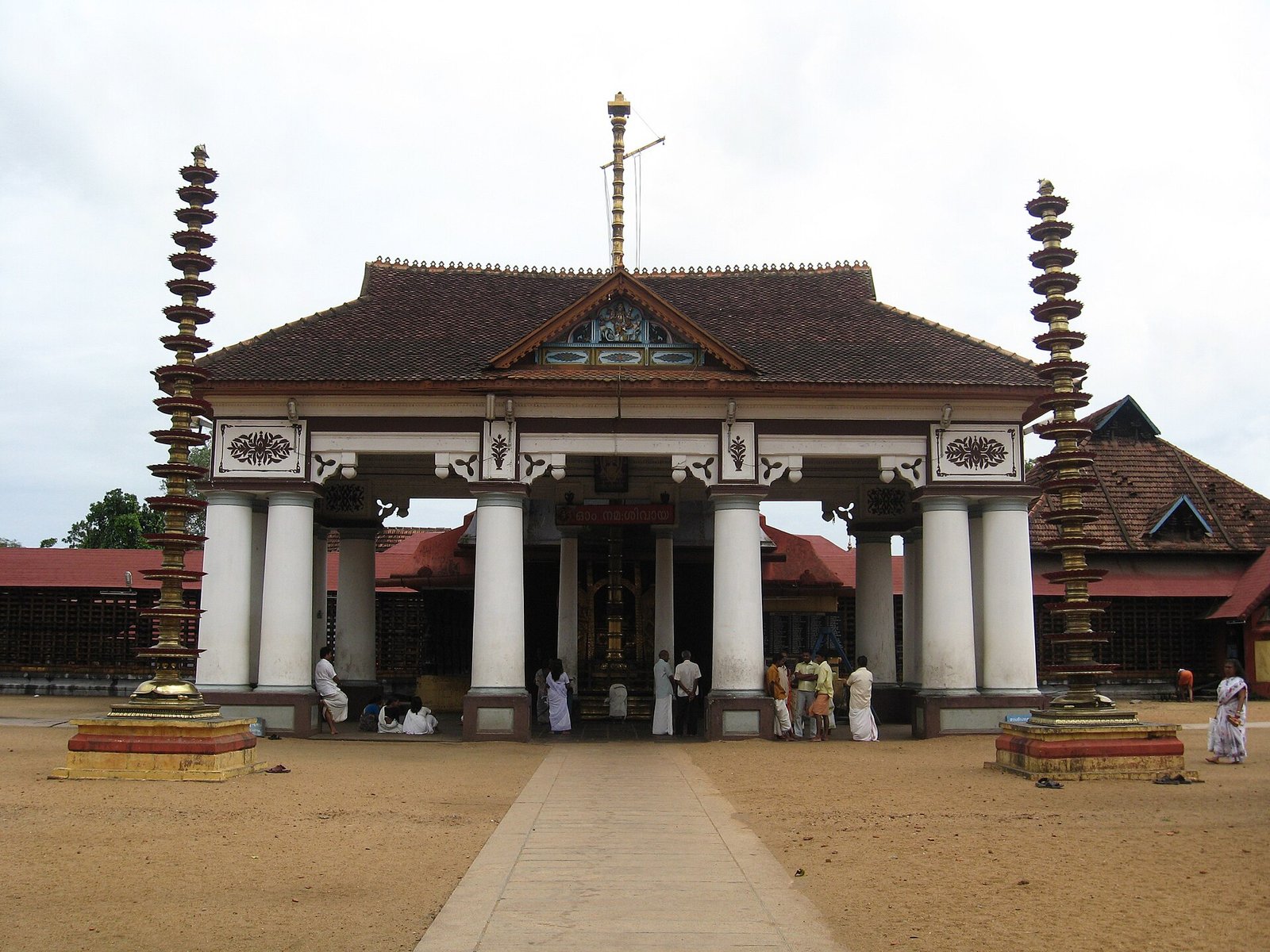
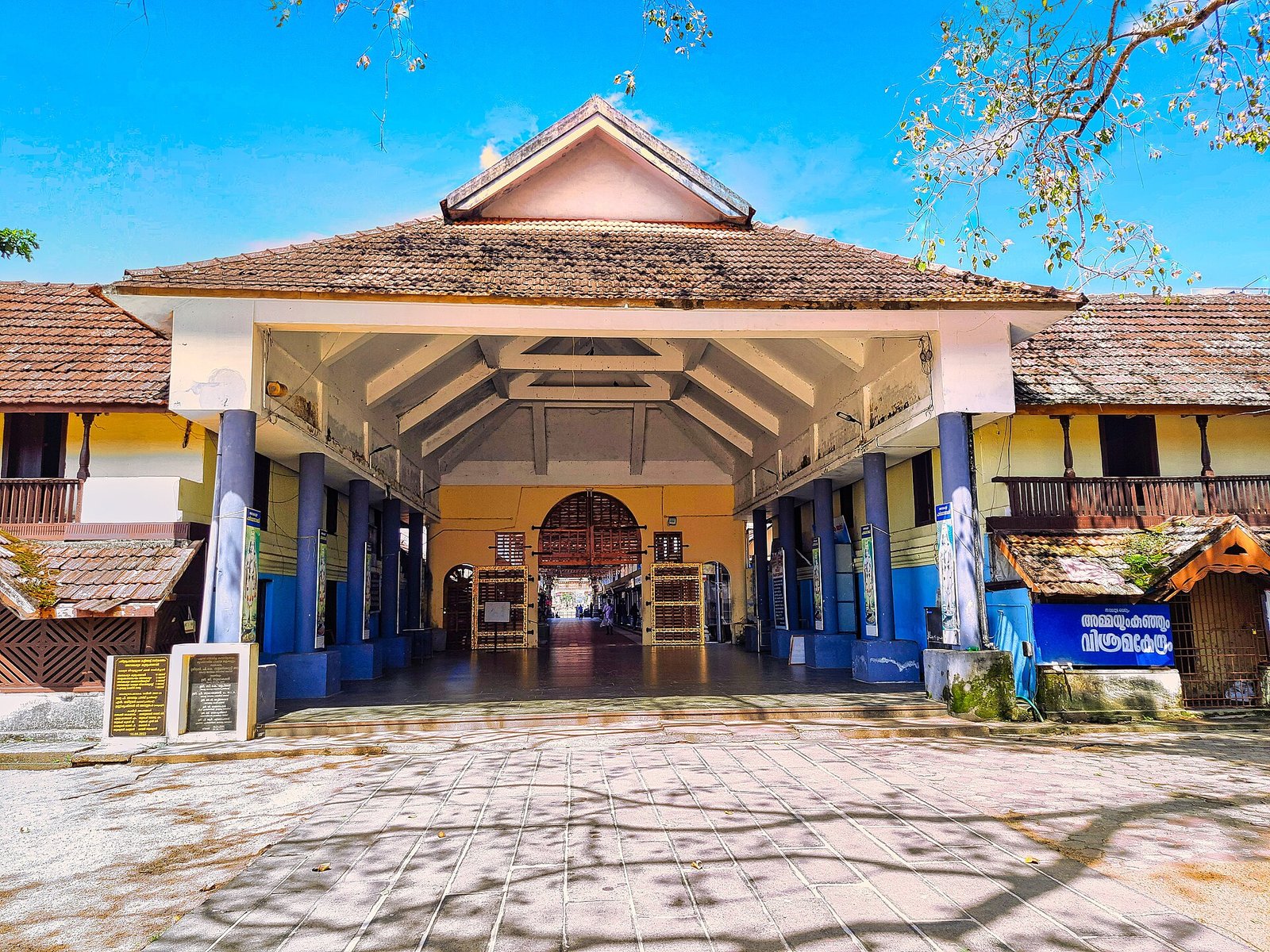
Sri Krishna is worshipped here as Parthasarathy. The shrine is in Alappuzha district, with buildings in Kerala’s architectural tradition.
Rather than treating every Krishna temple as interchangeable, begin with the particular form worshipped here. A conch, a charioteer’s role and the name Parthasarathy invite different questions from those raised by images of the child Krishna. Noticing those differences makes temple visits more thoughtful.
An offering and a devotional story
Palpayasam, prepared with milk, rice and sugar, is the temple’s celebrated offering. A devotional belief says that Guruvayurappan comes to receive it. The same official account records Ambalappuzha’s historical association with the safekeeping of the Guruvayur image. The devotional story and the historical association should be introduced separately, rather than merged into a single factual claim.
For a family, the offering can become an occasion to slow down and share. Ask what makes a food meaningful: its ingredients, the care involved, a prayer, or a memory of someone who once brought it home. There need not be one answer.
The connection with Kunchan Nambiar
Ambalappuzha is closely associated with Kunchan Nambiar and the beginnings of Thullal. Its combination of storytelling and social observation offers a way to talk about difficult behaviour without turning every conversation into a quarrel.
The lesson is not that ridicule is always useful. A better question is whether humour helps people recognise an unfair habit while preserving their dignity. An affectionate joke can open a conversation; humiliating someone usually closes it.
What to check before you go
If receiving the offering is important to your visit, ask the temple office about the current procedure and availability. Do not build a long journey around an assumption that it will be available whenever you arrive. Check current entry and photography instructions as well.
Allow the visit to have more than one focus. Spend a moment noticing the architecture, explain the deity’s name to younger family members, and leave time for a conversation afterwards. The memory may last longer than the taste of the payasam.