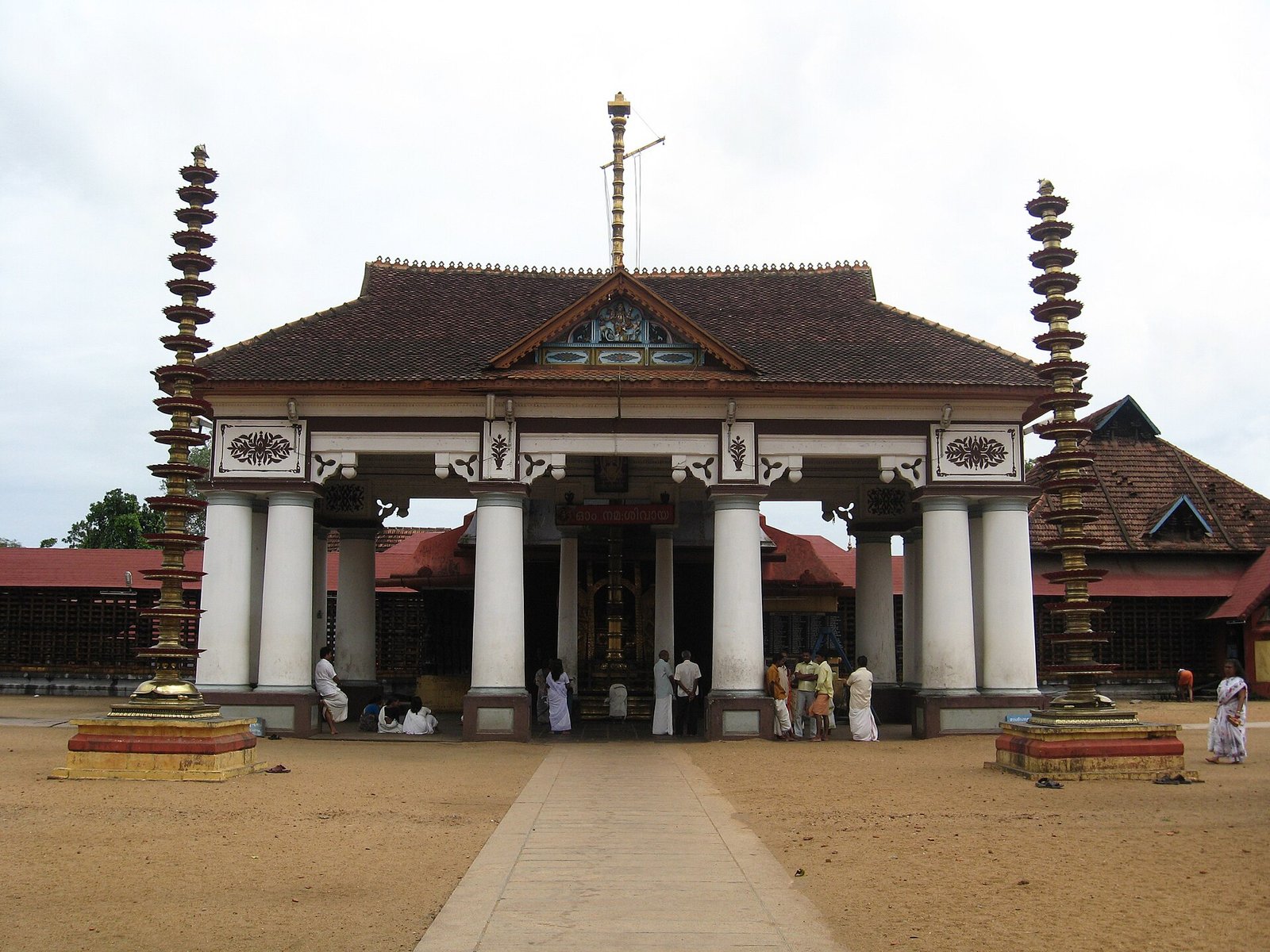
Place: Ettumanoor, Kottayam
Main deity: Shiva, worshipped as Mahadeva
Known for: Nataraja mural and Ezhara Ponnana
A temple can preserve a story in words, in a festival and in an image. Ettumanoor offers an opportunity to look carefully at all three. It is worth arriving with a little knowledge, especially when a familiar phrase hides an unexpected detail.
Mahadeva and the Nataraja image
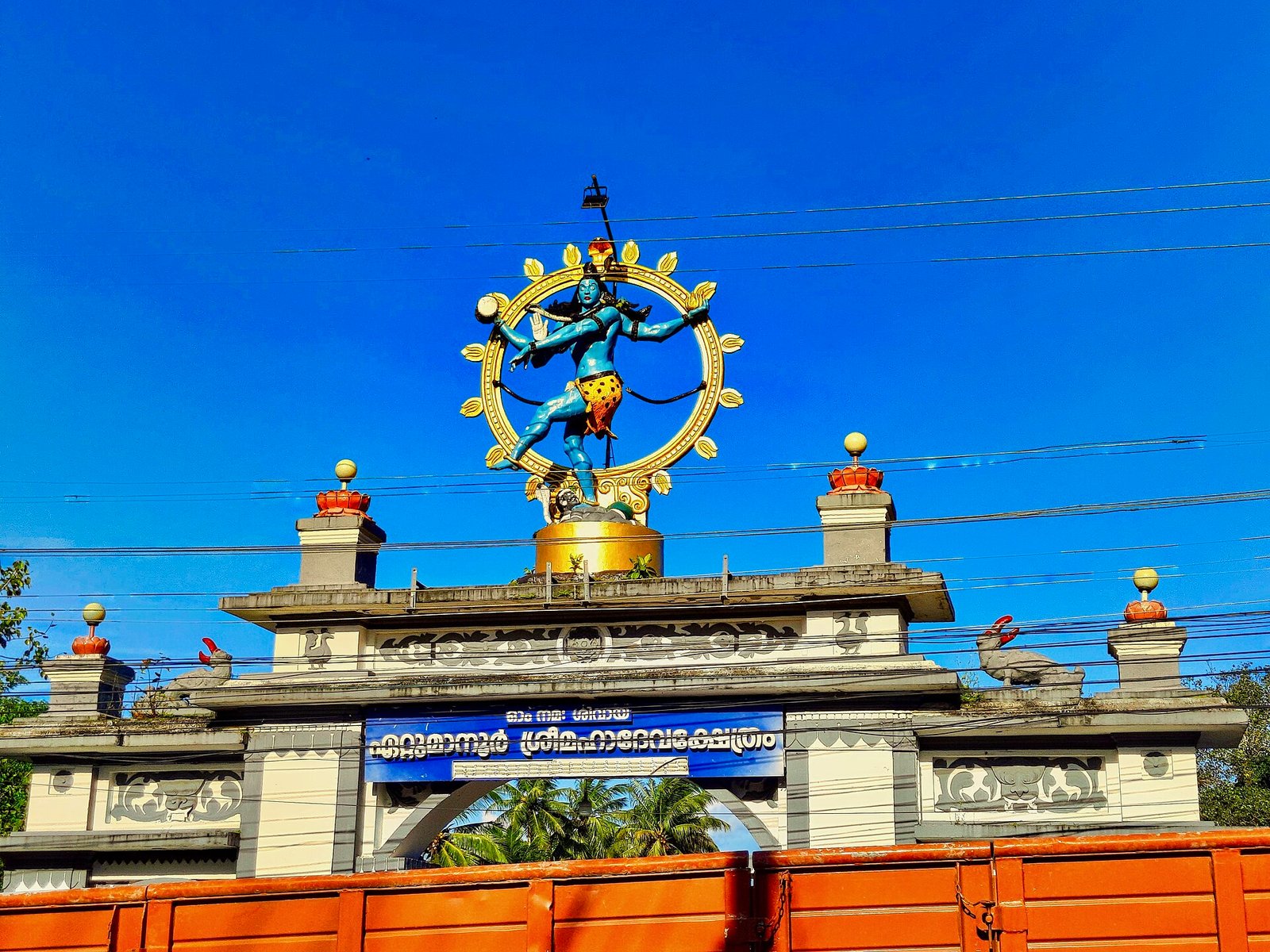
The main deity is Shiva. The temple in Kottayam district is especially known for mural painting, including the Nataraja image at the gateway.
Nataraja presents Shiva as the divine dancer. When looking at an image, begin with observation before interpretation: the pose, the direction of the limbs and the arrangement of the surrounding forms. You need not pretend to understand every symbol at once. Careful looking is a good beginning.
Why are there “seven-and-a-half” elephants?
Ezhara Ponnana refers to eight elephant statuettes: seven of a larger size and one smaller. The phrase does not describe an elephant with a missing half. The collection has an association with royal patronage and its ceremonial display is a major festival event.
This is a useful example of why literal translation alone can mislead. A phrase makes more sense when the objects and the custom are explained together. Before repeating an unusual temple detail, ask what it refers to in practice.
What the artistic heritage asks of a visitor
Religious art continues to matter because people worship, remember and care for it. A visitor contributes by respecting the conditions that allow it to survive. Do not touch a painting to point out a detail, lean belongings against a decorated surface or assume that flash photography is permitted.
With children, try a quiet observation exercise. Ask them to name three things they noticed and one question they still have. Let the question remain open until you can check it. “I do not know yet” is more useful than a confident explanation invented on the spot.
Choose the experience you want
A festival visit and an ordinary darshan day offer different conditions. If the Ezhara Ponnana display is the main purpose, confirm the current festival programme with the temple before booking travel. The objects are not an exhibit to assume will be visible at any hour.
If your purpose is a less hurried visit, leave enough time to notice the gateway and setting without obstructing people coming for worship. A temple photograph may record that you were there; an observation written afterwards can preserve what you actually learned.