Varanasi is not easily reduced to a checklist. A temple visit, time by the river and a walk through the city can each demand attention in a different way. For a family arriving from Kerala or overseas, the most useful first decision is how much you want to fit into a day—and what you are willing to leave for another visit.
Kashi Vishwanath is dedicated to Shiva. The official temple portal provides visitor services and booking links, along with information about the temple. Use it to establish the current arrangements before paying for a service advertised elsewhere. This guide does not provide live booking availability or fixed queue estimates.
Separate the temple visit from the rest of the day
Confirm the particular darshan or ritual arrangement you want, if any, and read its reporting and identity instructions. Then plan the transfer, storage of belongings and meeting point around that arrangement. Do not assume that a booking for one family member covers everyone travelling with them.
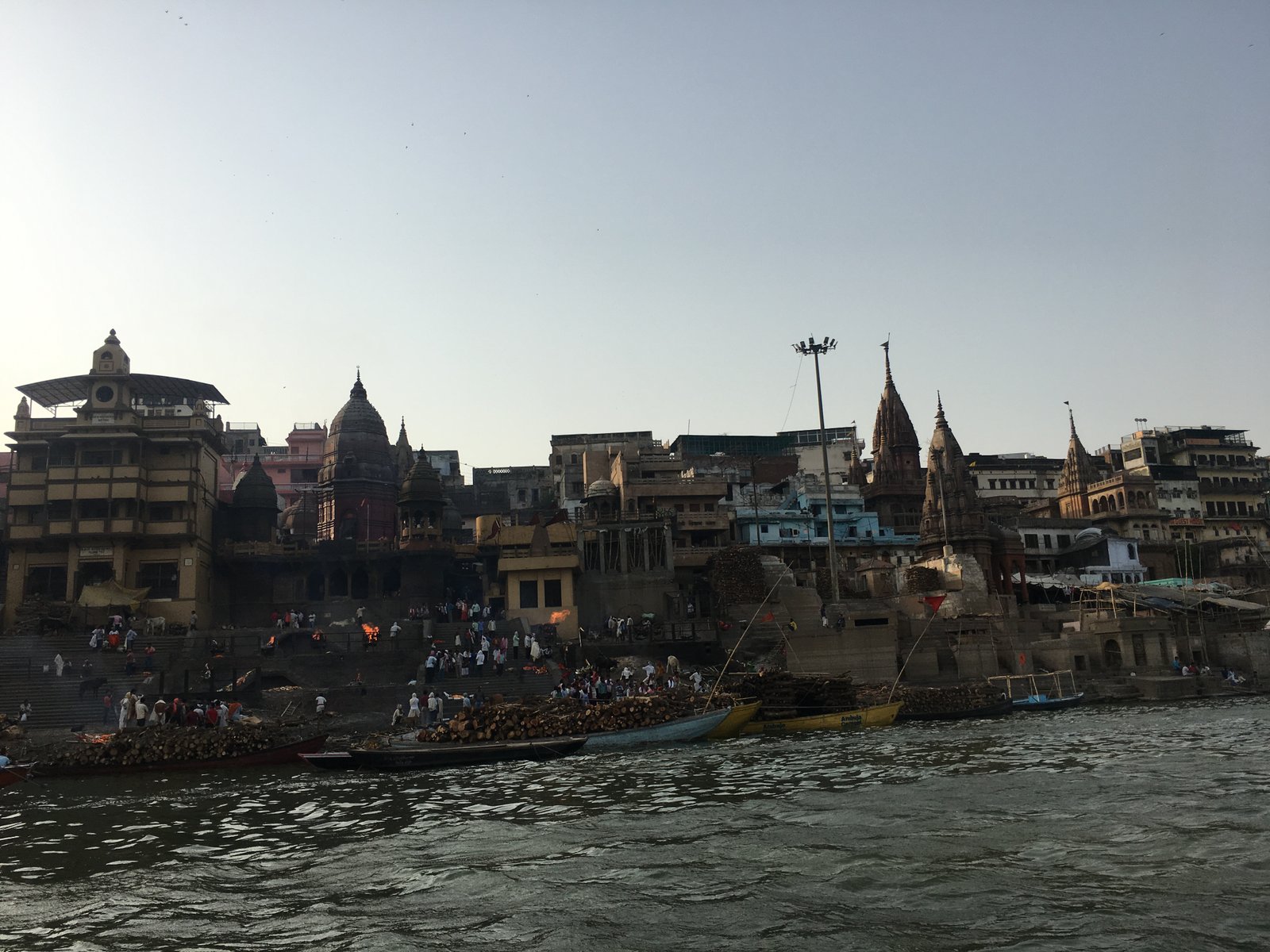
A riverfront visit is a separate activity, with its own practical considerations. The district administration describes the ghats as steps along the Ganga. That matters when travelling with someone who finds stairs difficult. Check access rather than judging suitability from an attractive photograph.
Choose the season with the family in mind
Think about the weather you can comfortably manage, then check conditions close to departure. Heat, rain, river conditions and winter visibility can change the practical shape of a trip. A general description of a “good season” cannot replace the forecast and current local instructions for your dates.
If a festival is the reason for travelling, expect the itinerary to revolve around it. Confirm arrangements through official sources and allow more time between activities. If the family prefers a calmer visit, give yourselves the freedom to choose dates without a particular event as the focus.
Incredible India recommends October to March as the more comfortable period for exploring Varanasi. Winter mornings can be foggy. That makes it worth leaving flexibility around an early river activity and an onward connection.
Arriving in the city
The district’s travel information identifies air and rail connections to Varanasi. Compare arrival points carefully, because a station name, an airport transfer and a riverfront address represent different journeys. Confirm the exact hotel location and whether the vehicle can reach its entrance.
Where a final section must be walked, ask how luggage will be handled and what assistance is available. Agree the fare and the drop-off point before setting off. A practical arrival plan is especially valuable after a long flight, when unfamiliar surroundings and tiredness can make simple decisions harder.
Where to stay
A riverfront stay can put the ghats at the centre of the visit, while accommodation with straightforward road access may make transfers easier. The better choice depends on the people travelling. Ask about stairs, lifts, walking access, meal arrangements and how you will return after an evening outing.
The temple’s official portal links guest-house options, including accommodation associated with the trust. Follow the official link to investigate current conditions and availability. Compare those options with private accommodation on the basis of clear location and terms, not an assumption that one label guarantees a particular standard.
The riverfront deserves respect
A boat trip, an evening ceremony and a quiet walk are different experiences. Check current local conditions and the operator’s safety arrangements before a river activity. Agree the duration and price in advance. If an activity does not suit someone in the group, make an alternative that lets them remain comfortable and included.
Remember that the riverfront is also a place of worship and personal grief. Ask before photographing people, follow local restrictions and give private ceremonies space. The wish to record a journey should not make another person’s difficult moment part of a holiday album.
A simple two-part itinerary
Consider giving the temple visit its own part of the day and leaving the other part for rest and one riverfront activity. Resist adding another major excursion merely because it appears close on a map. Time spent finding a route, waiting and returning to accommodation is real travel time.
Keep confirmations and key contacts available offline, and recheck the official temple arrangements near departure. A slower itinerary gives the family room to notice the place and to talk about what the visit means to them.
For a southern pilgrimage with different booking and travel requirements, see our Tirumala–Tirupati guide. Each destination deserves its own plan rather than a copied checklist.